The Ultimate Guide to Human Hair Colors: Trends, Shades & Expert Tips (2026)
When it comes to human hair, color is one of the most powerful factors influencing purchase decisions. Whether you're choosing hair bundles, extensions, or wigs, the right shade can elevate your entire look—enhancing skin tone, defining style, and expressing personality.
In today’s U.S. market, especially among Black women, hair color trends are evolving rapidly. From classic natural black tones to bold blondes, rich ginger hues, and dimensional balayage blends, modern consumers are no longer limited to basic shades.
This guide is designed to help you fully understand:
- The most popular human hair colors in the U.S.
- Key differences between natural and dyed shades
- Professional coloring techniques used in the industry
- How to choose the best color for your skin tone and lifestyle
- And how to properly maintain colored human hair
1. Natural Human Hair Colors (Foundation of the Market)
Natural shades dominate the human hair industry due to their realism, versatility, and low maintenance.
Common Natural Shades:
- Jet Black (Color #1) – Deep, rich black with a bold, polished finish
- Natural Black (Color #1B) – The most popular shade in the U.S., offering a softer, more realistic black
- Dark Brown (Color #2) – A subtle alternative for a more natural, less intense look
Why Natural Colors Are Best-Sellers:
- Blend seamlessly with natural hair
- Require minimal upkeep
- Ideal for professional and everyday wear
- Serve as the base for further customization (bleaching, dyeing)
2. Blonde Human Hair Colors (High-Impact & Customizable)
Blonde hair remains one of the most searched and visually striking categories, especially for fashion-forward consumers.
Popular Blonde Variations:
- 613 Blonde – A platinum base widely used for custom coloring
- Honey Blonde – Warm, golden tones that complement melanin-rich skin
- Ash Blonde – Cooler tones for a more modern, luxury aesthetic
Market Insights:
- Blonde shades are highly popular among influencers and social media creators
- HD lace wigs combined with blonde tones create a scalp-like illusion
- 613 hair is often marketed as “blank canvas hair” for dyeing
💡 Blonde hair typically undergoes bleaching processes, which makes proper care essential to maintain softness and longevity.
3. Ginger, Copper & Auburn Tones (Fastest-Growing Trend)
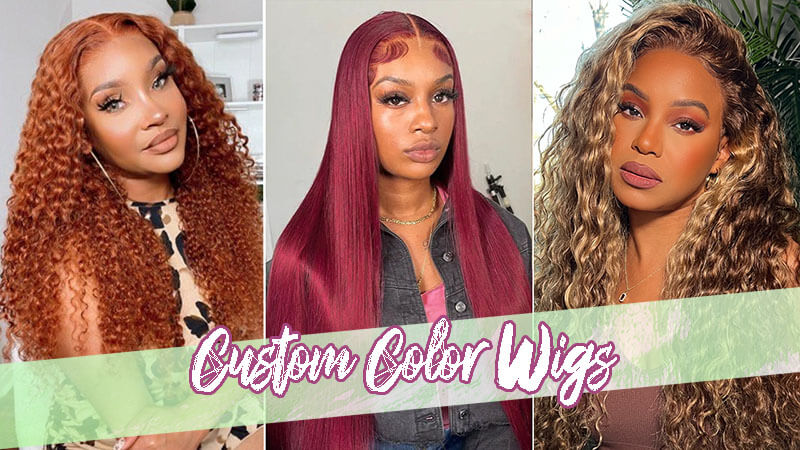
In recent years, ginger, burgundy, and copper tones have become a dominant trend, particularly among Black women in the U.S.
Trending Shades:
- Burnt Orange
- Copper Red
- Auburn Brown
- Burgundy
Why These Colors Are Trending:
- Enhance warm undertones in deeper skin tones
- Offer a bold yet wearable alternative to blonde
- Perform extremely well on platforms like TikTok and Instagram
💡 These shades strike a balance between natural and statement color, making them ideal for both everyday wear and standout looks.
4. Highlight & Balayage Human Hair (Premium Segment)
Highlight and balayage styles represent the high-end segment of the human hair market. What's the difference between Balayage, highlight and ombre?
Key Techniques:
- Highlights – Defined streaks of lighter color throughout the hair
- Balayage – Hand-painted color that creates a soft, natural gradient
Why They Are High-Value:
- Add dimension and movement to the hair
- Mimic salon-quality coloring
- Reduce the need for additional customization
💡 These styles are especially popular in:
- Body wave textures
- Loose wave styles
- Layered cuts
5. Ombre Hair Colors (Beginner-Friendly & Versatile)
Ombre remains a staple due to its gradient effect and low commitment.
Popular Ombre Combinations:
- Black to Brown
- Brown to Blonde
- Black to Ginger
Benefits:
- Softer transition between colors
- Less maintenance compared to full-color hair
- Ideal for first-time colored hair buyers
💡 Ombre styles are often combined with lace front wigs to enhance natural appearance.

6. Understanding Hair Coloring Techniques
To make informed decisions, it’s important to understand how different coloring methods affect hair quality.
Balayage vs Highlights vs Ombre:
-
Balayage:
Hand-painted technique creating a soft, natural blend -
Highlights:
Structured, evenly distributed lighter strands -
Ombre:
Gradual color transition from dark roots to lighter ends
Impact on Hair Quality:
- Bleaching can affect cuticle integrity
- Proper processing ensures minimal damage
- High-quality human hair retains softness even after coloring
7. How to Choose the Right Hair Color
Choosing the right color involves more than preference—it’s about harmony with your features and lifestyle.
Based on Skin Tone:
-
Deep Skin Tones:
Honey blonde, ginger, burgundy, copper -
Medium Brown Skin:
Chocolate brown, highlight blends, warm balayage -
Light Brown Skin:
Ash blonde, soft ombre, neutral browns
Based on Lifestyle:
-
Low Maintenance:
Natural black, dark brown -
Professional Settings:
Subtle highlights, natural tones -
Bold/Fashion Looks:
Blonde, ginger, balayage
8. Human Hair Color Maintenance Tips
Maintaining color-treated human hair is essential for longevity and appearance.
Essential Care Tips:
- Use sulfate-free shampoos
- Deep condition regularly
- Limit heat styling
- Use color-safe products
- Store hair properly when not in use
💡 Blonde and lighter shades require more frequent conditioning due to bleaching.
Conclusion
The human hair color market continues to evolve, offering more choices than ever before. From natural black staples to bold blondes and trending ginger tones, each color category serves a unique purpose and audience.
Understanding these differences allows you to:
- Make smarter purchasing decisions
- Extend the lifespan of your hair
- Achieve the exact look you want with confidence
As trends continue to shift, one thing remains constant:
The right hair color doesn’t just change your appearance—it transforms your entire style.


Leave a comment